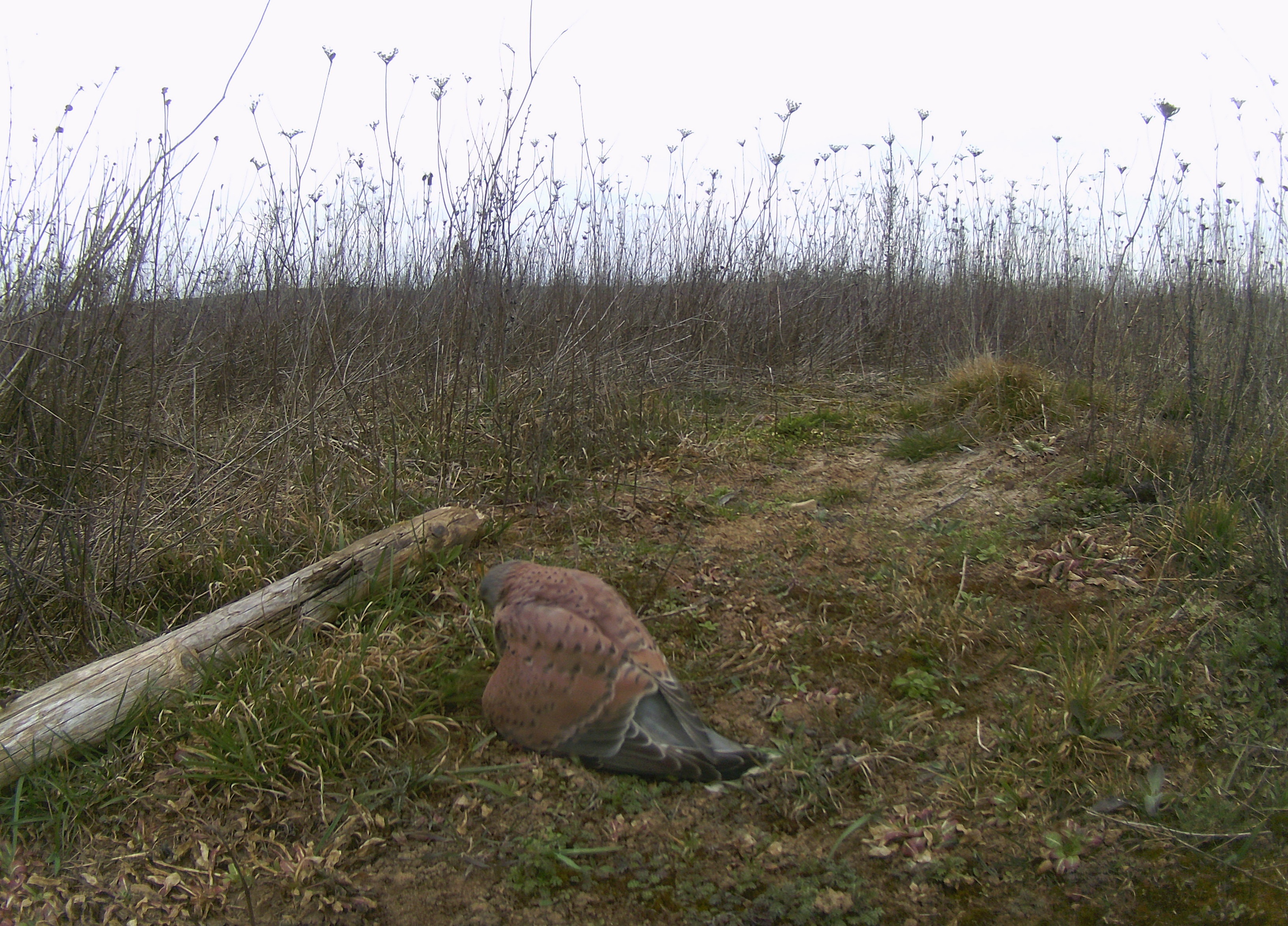
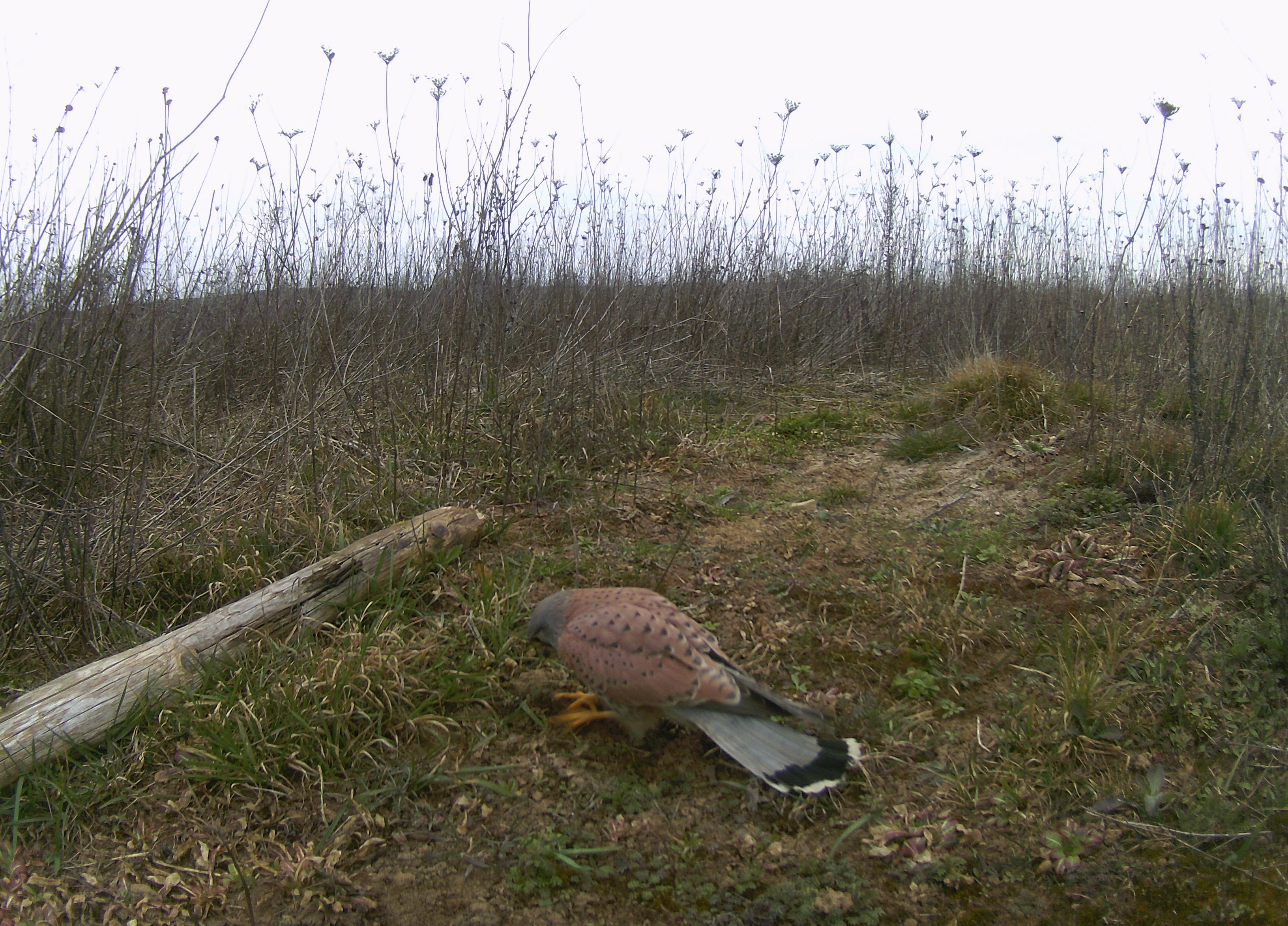
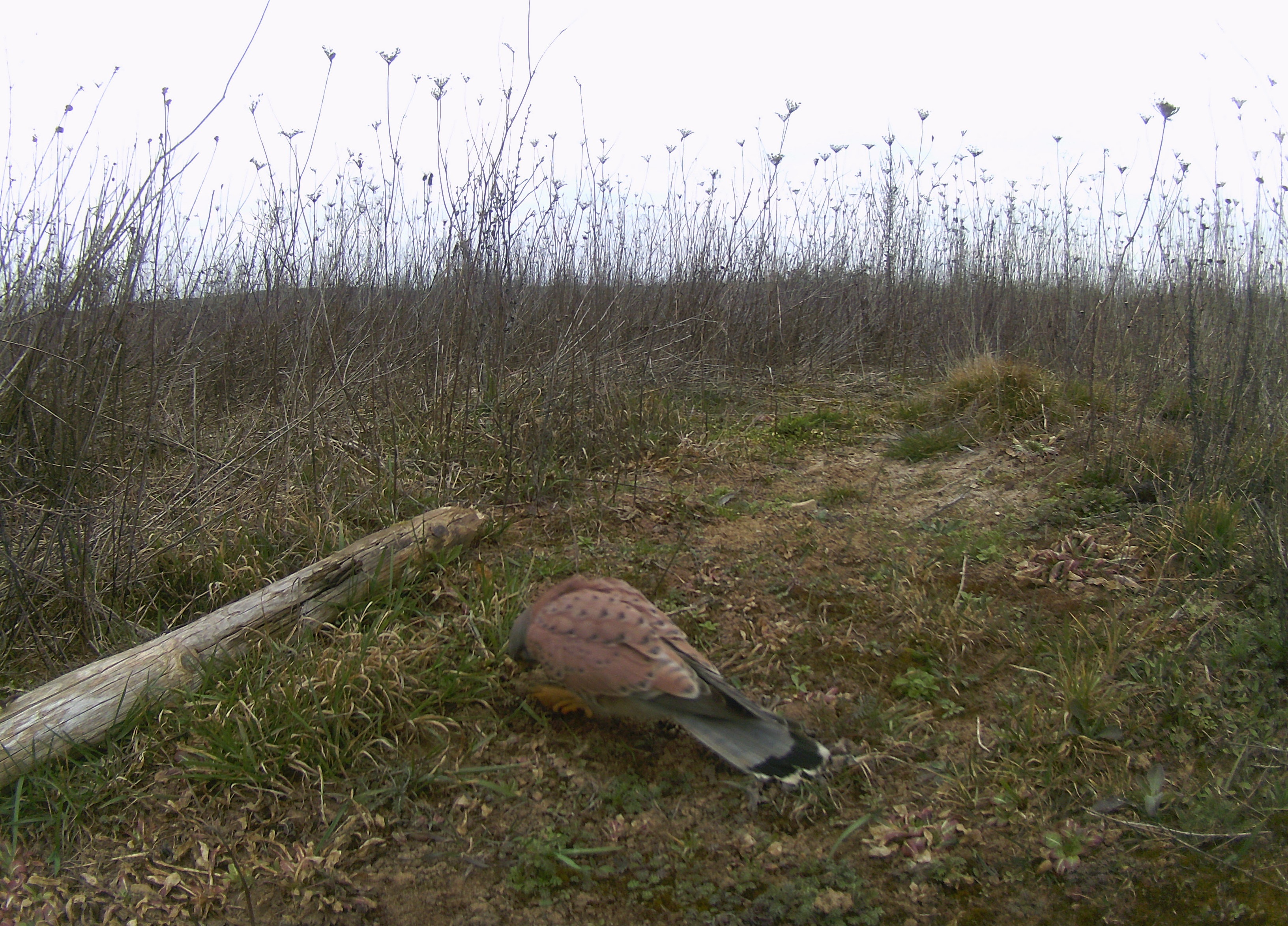
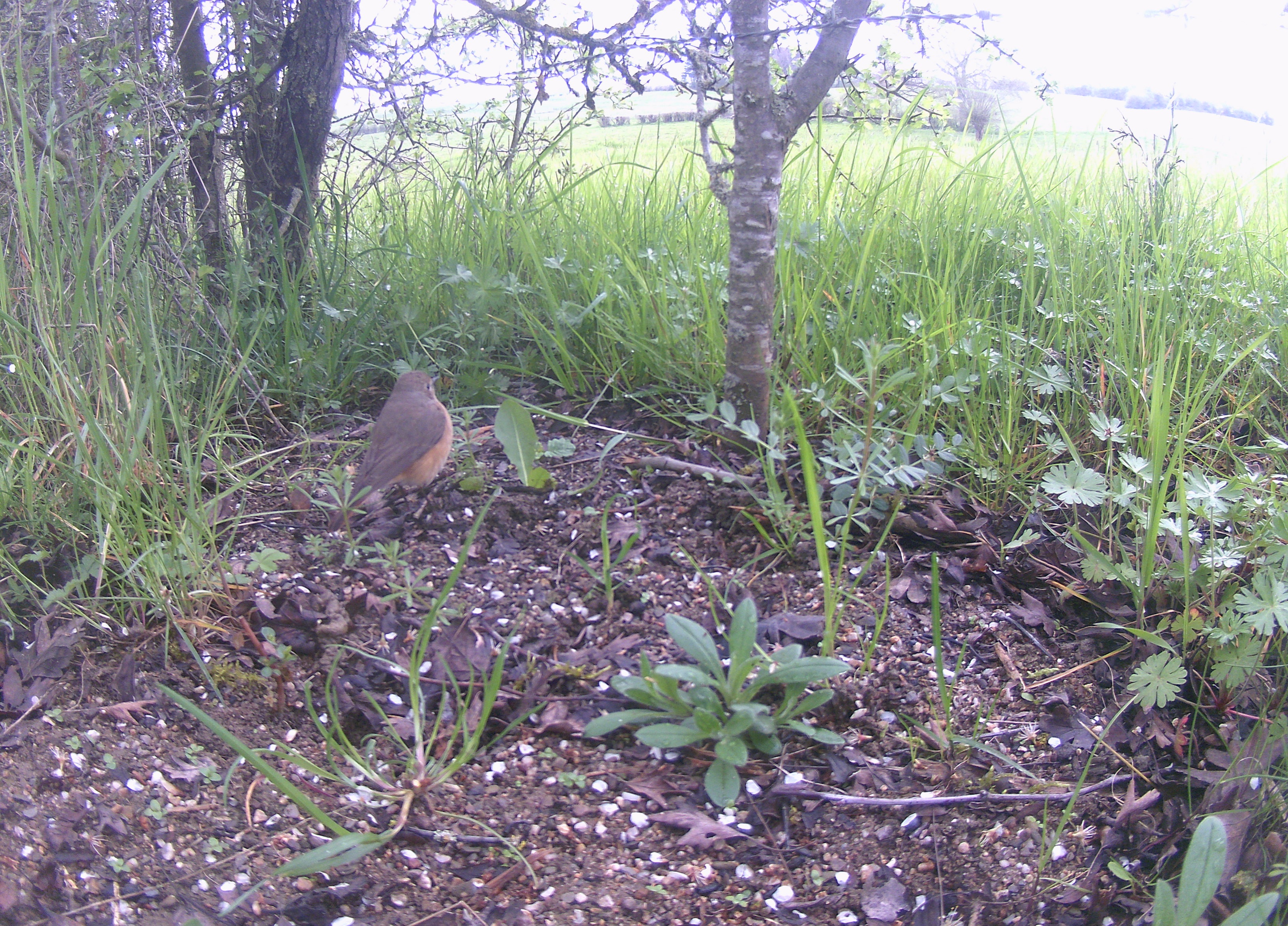
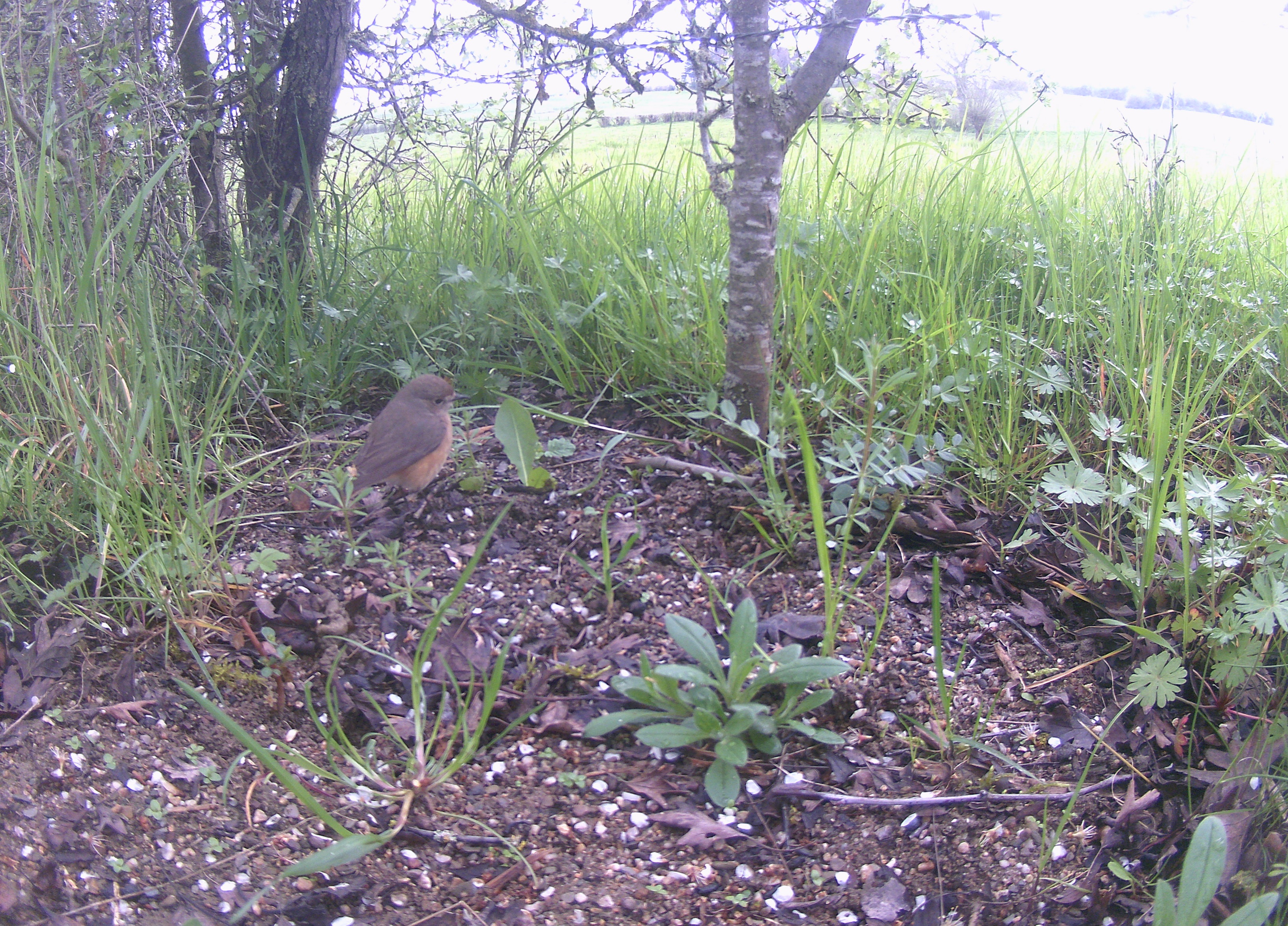
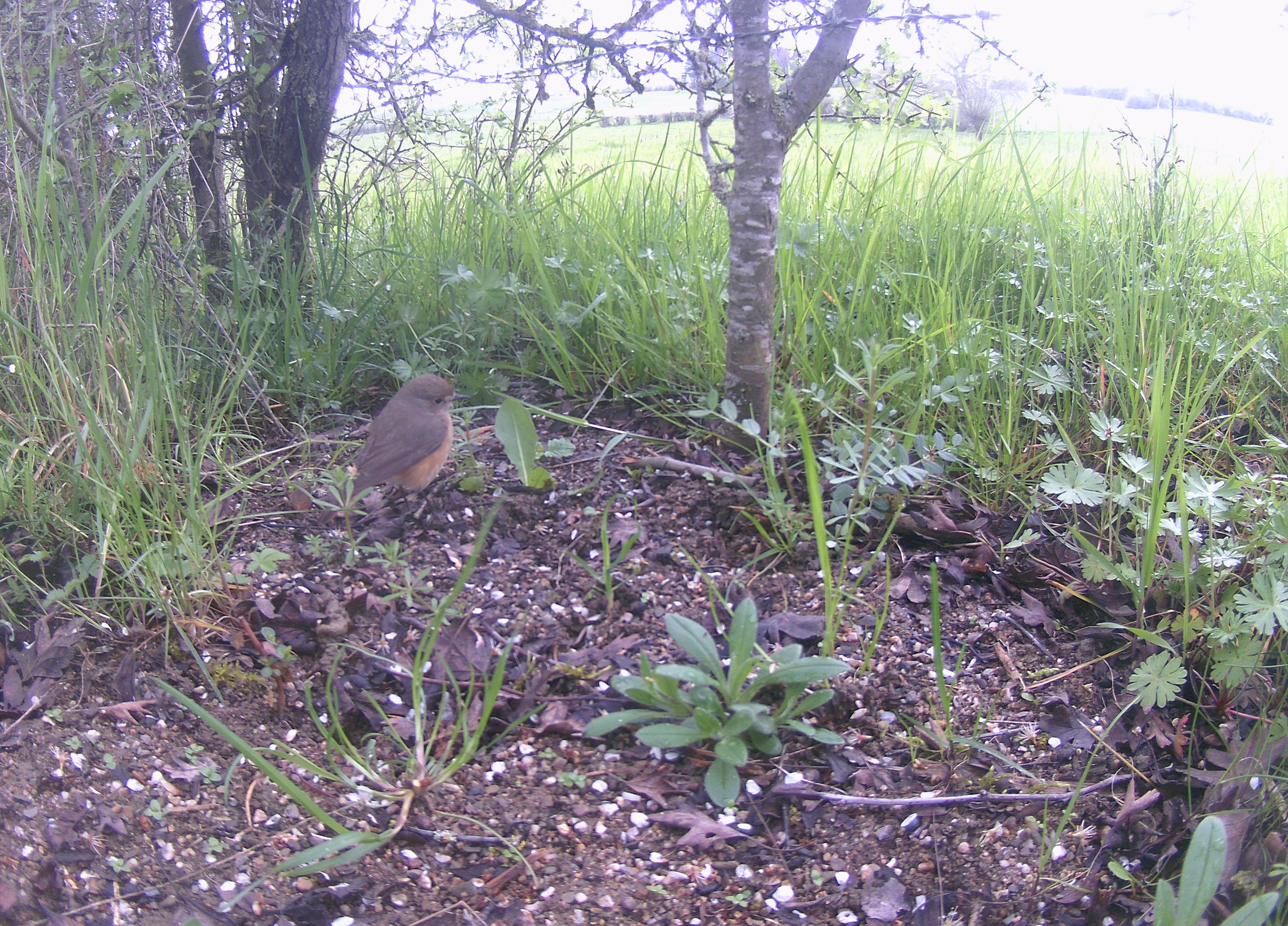
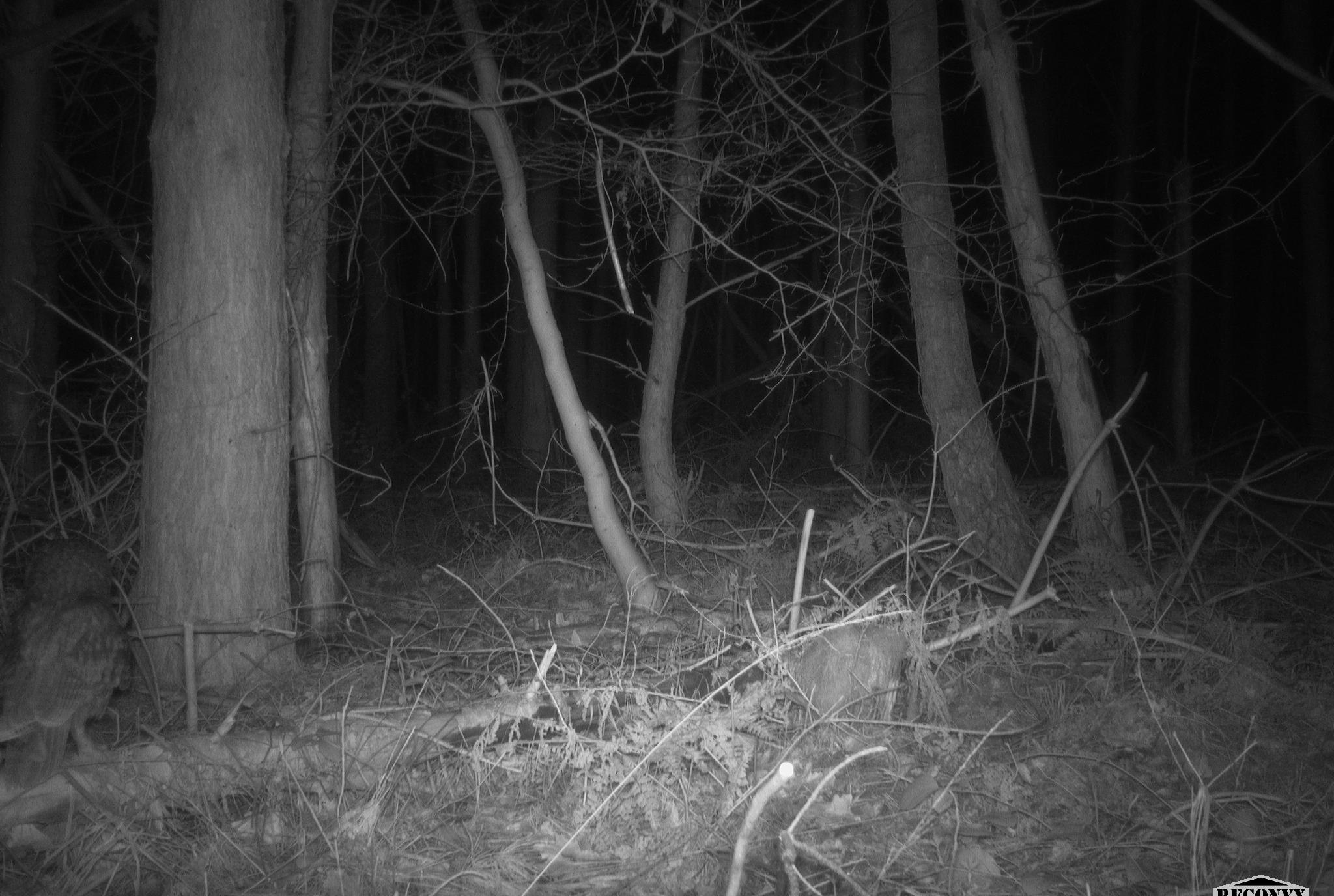
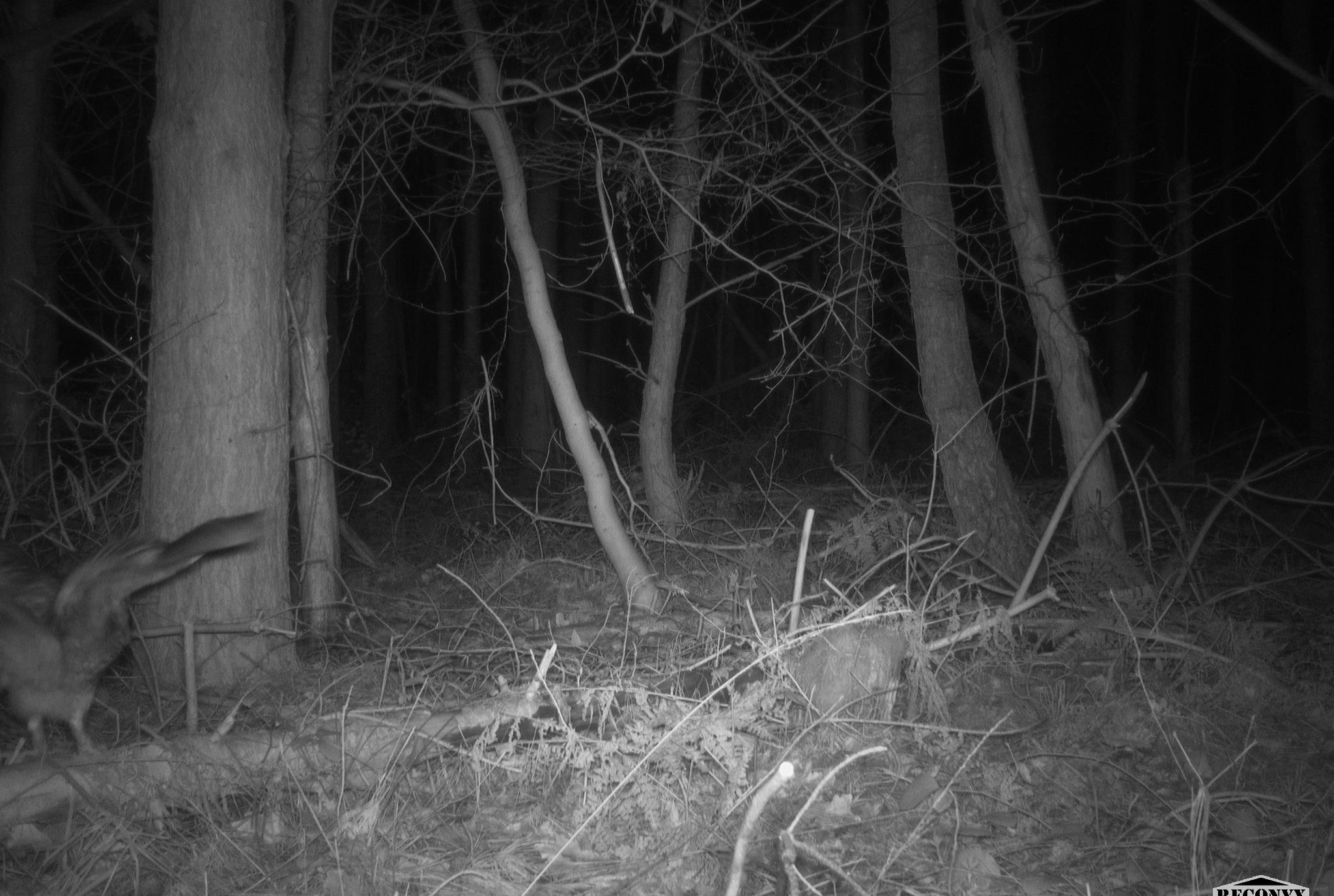
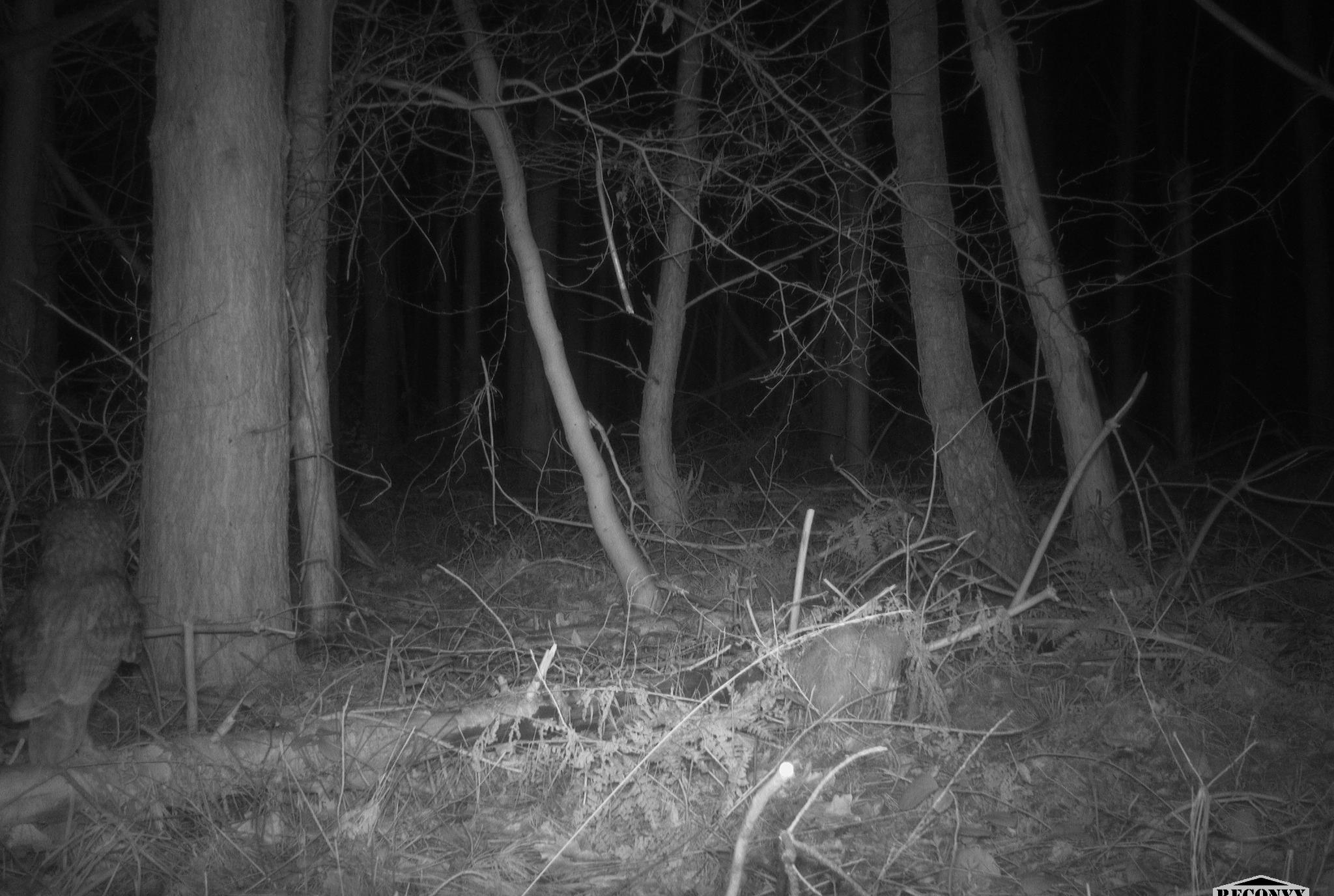
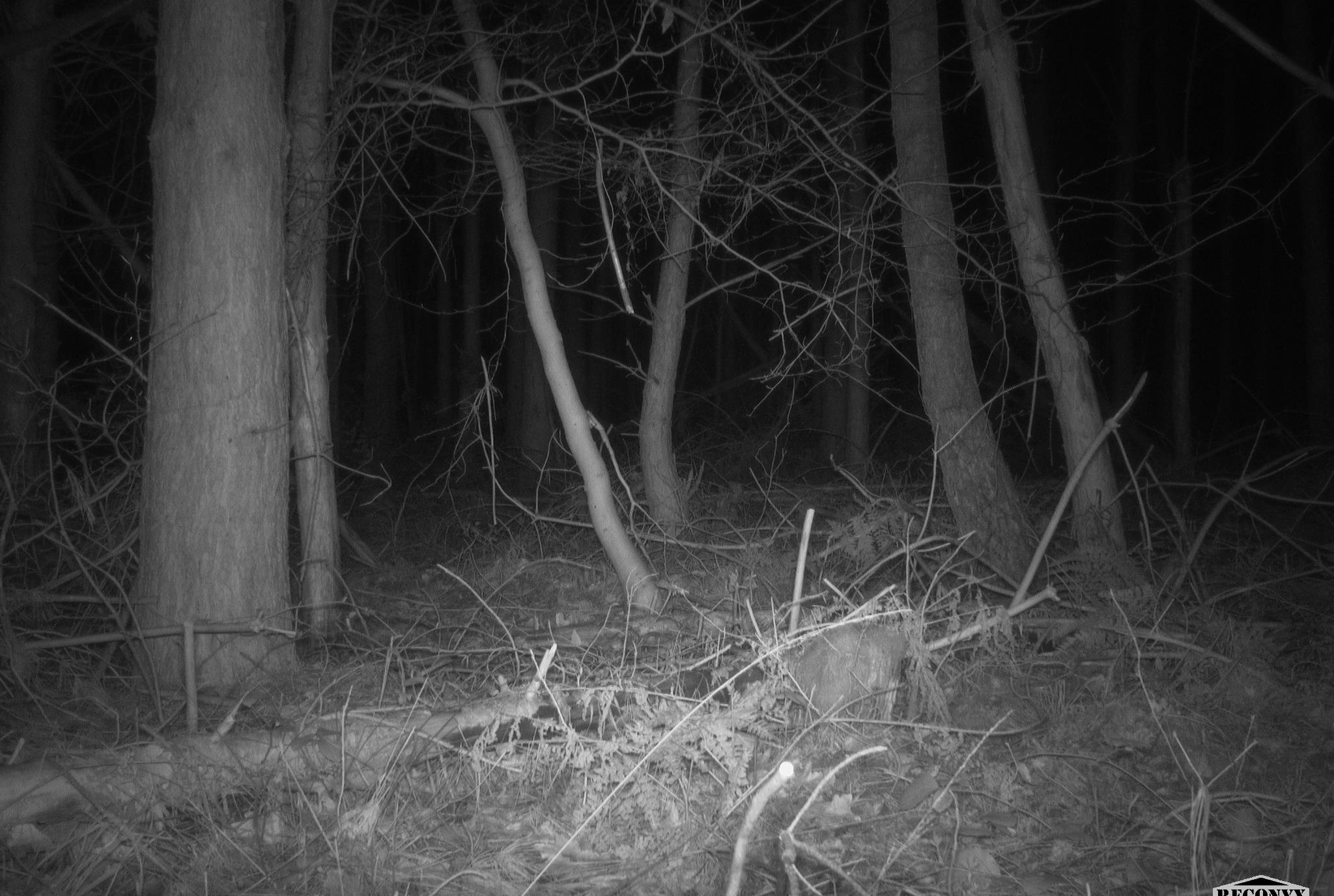
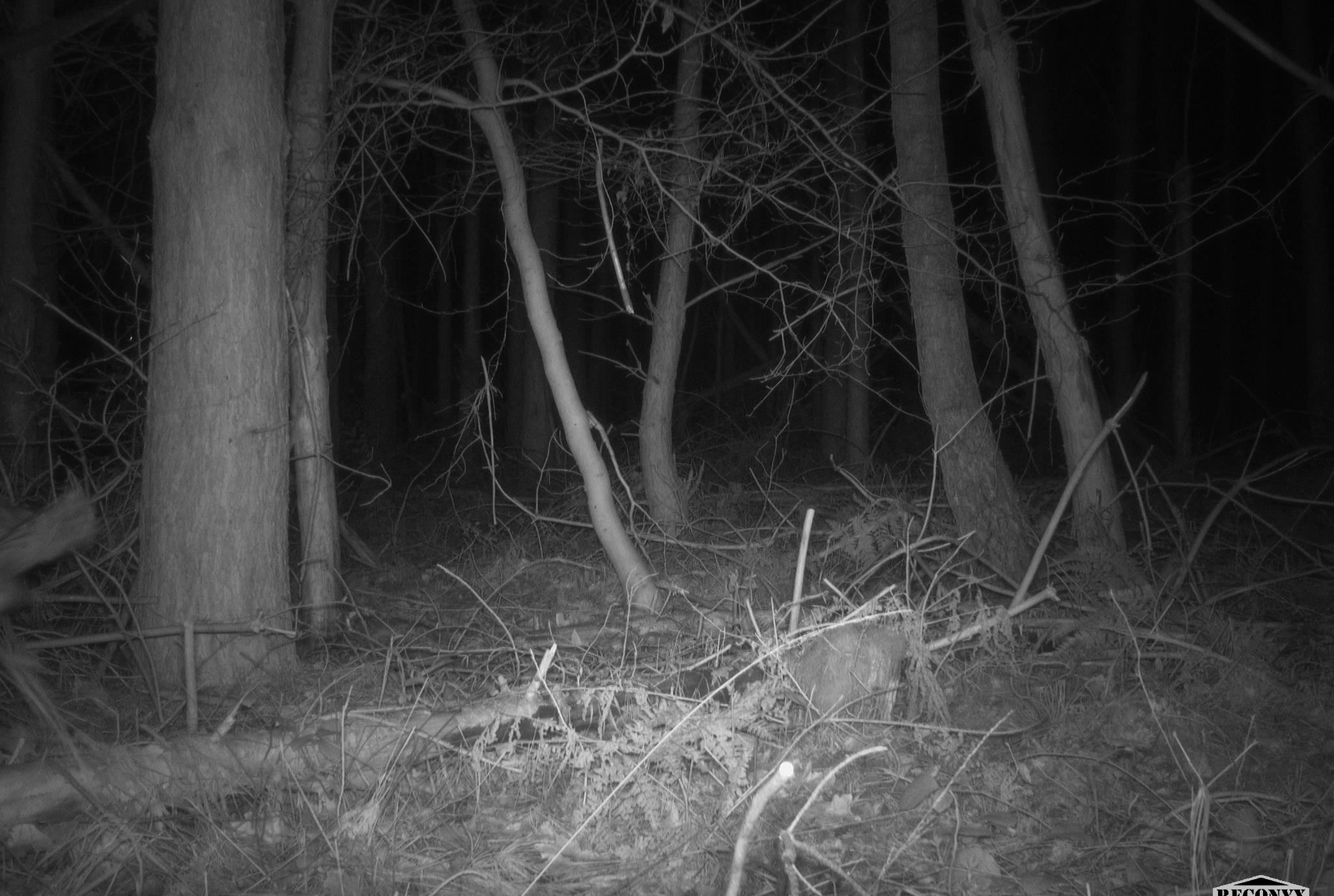
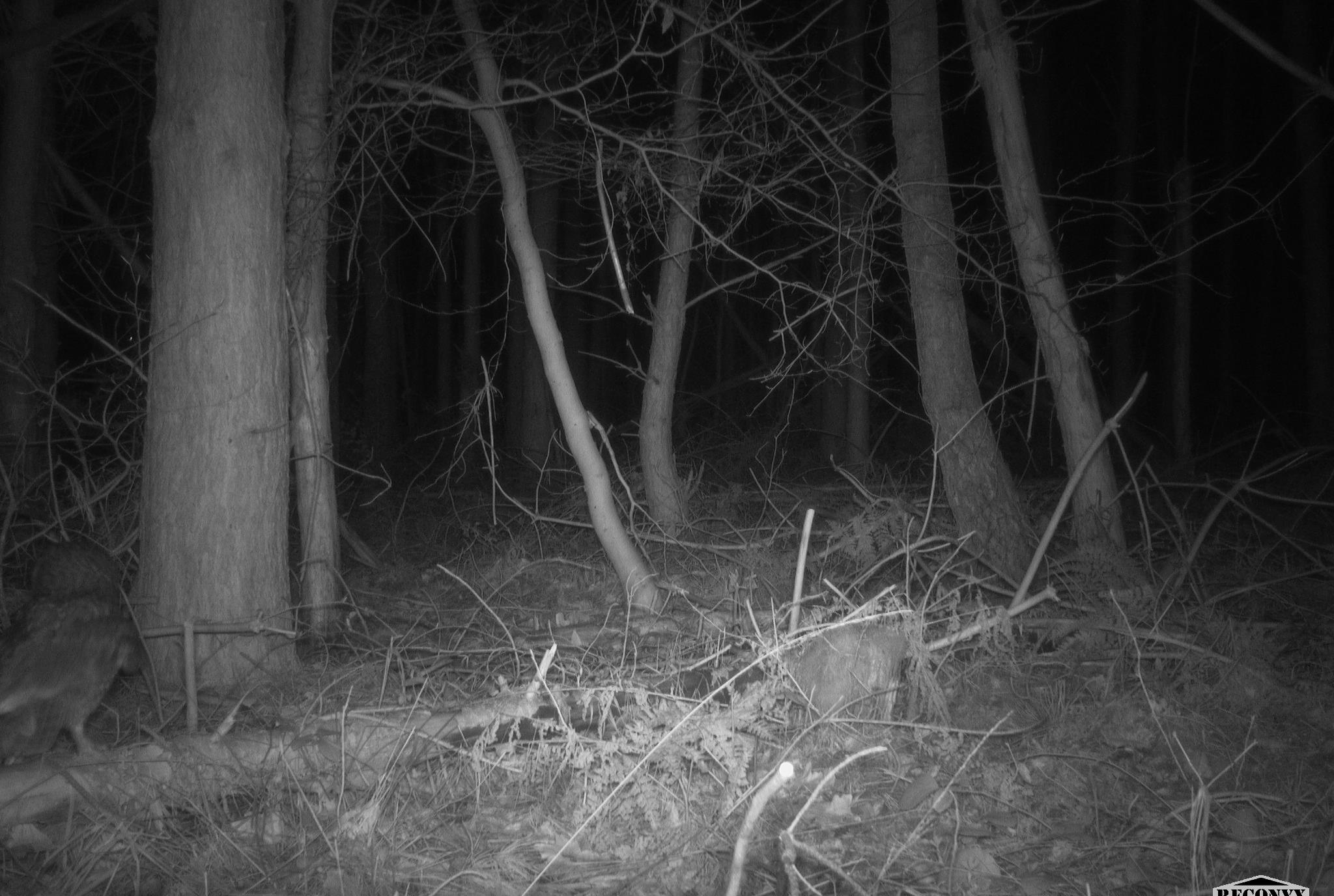
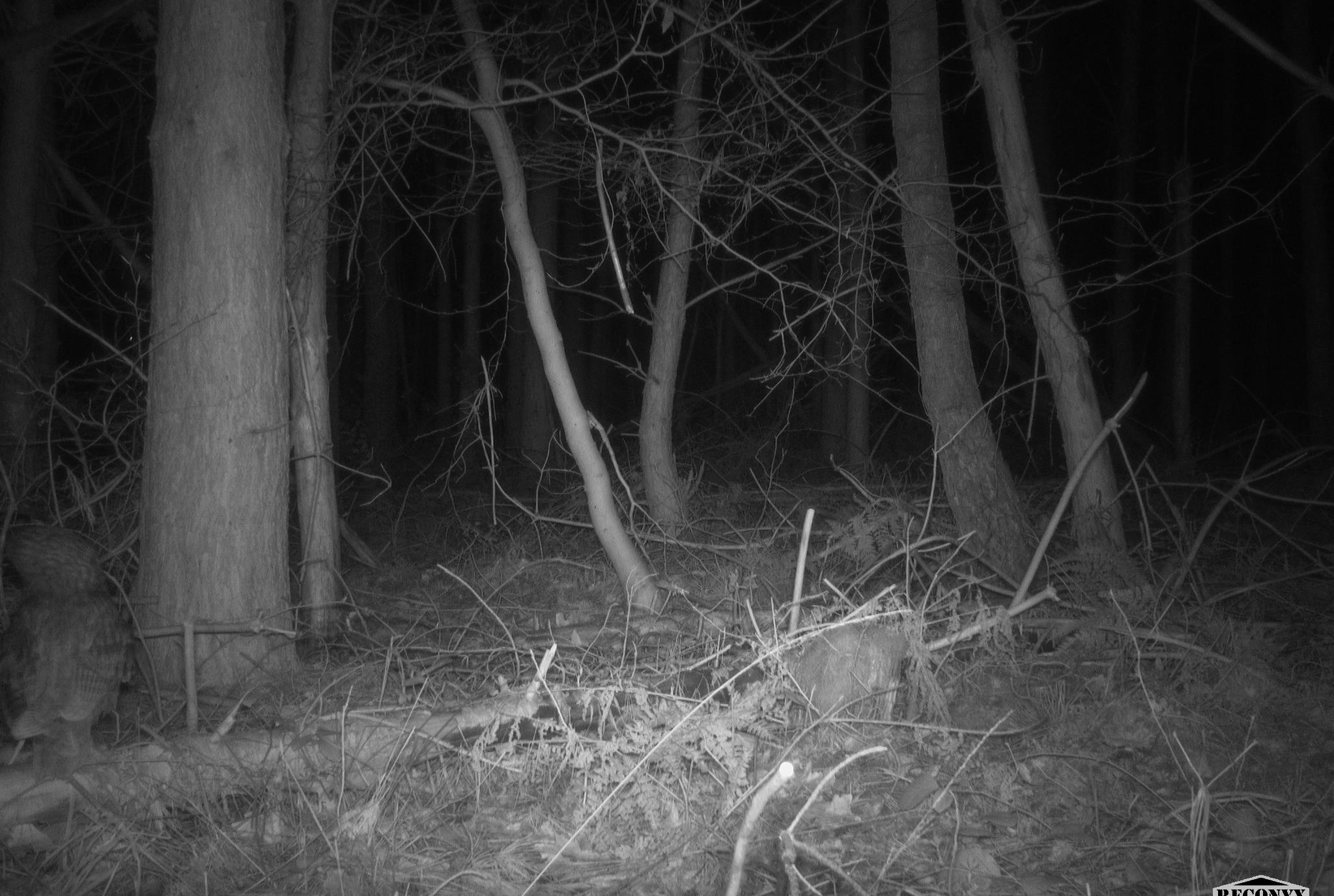
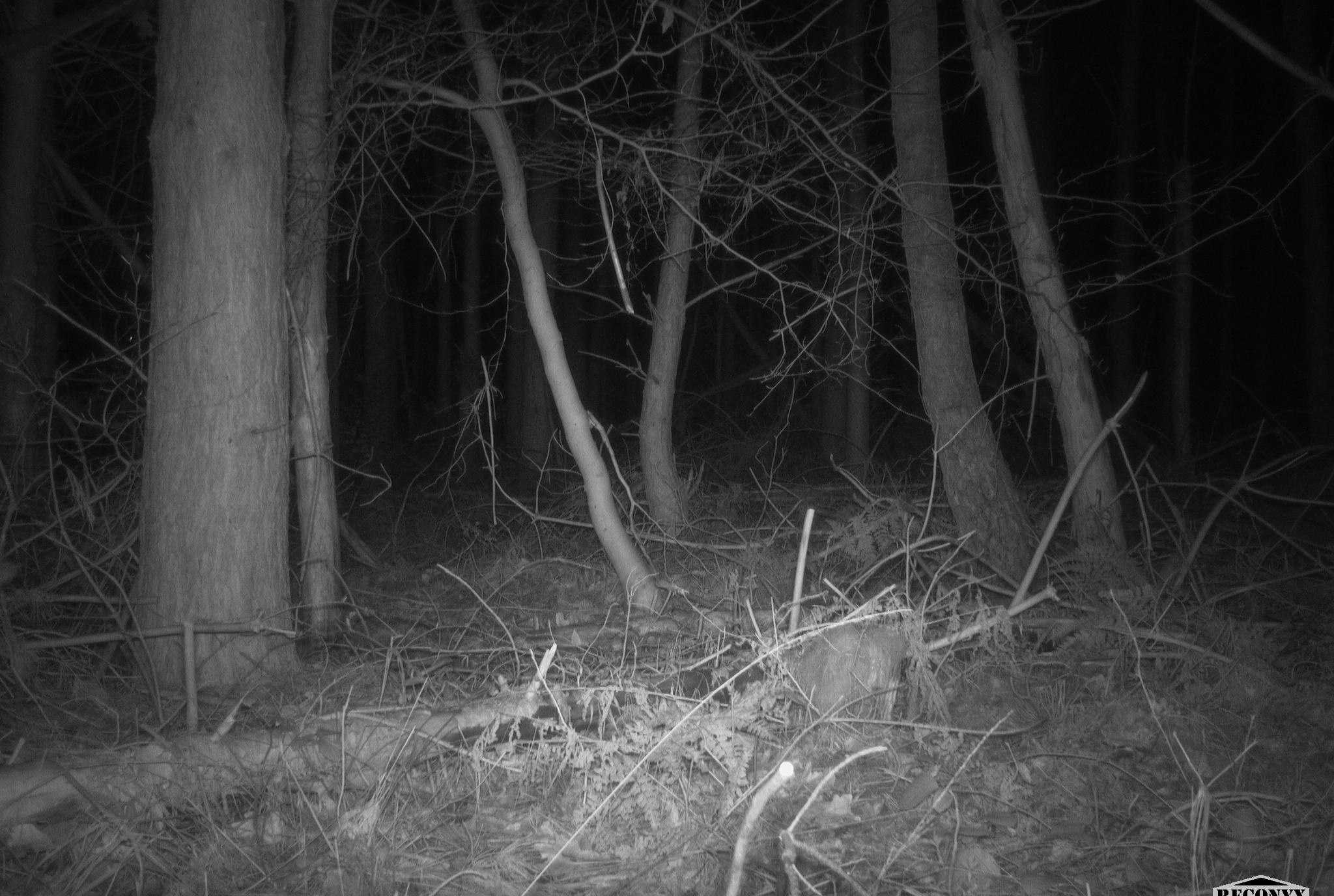
5 actual scored V1 events illustrate how model answers differ. These pictures are prepared VLM frames; BioCLIP and SpeciesNet used route-specific image preparation, so the displayed pixels are not asserted to be identical to every model input.
Reference species: Strix aluco. Predictions below are saved outputs for this full event, not claims about a single displayed frame. Country context changes the specialist decision policy. The Qwen row shows the retained primary result.
Open a VLM row to read its saved JSON response. Open rows independently; select a row again to close it.
Saved V1 predictions for Strix aluco
Model setting
Outcome
Taxonomic answer
Adjusted TIS
BioCLIP 2.5 - No country context
✕ Wrong
Species: Apodemus sylvaticus
Not available
SpeciesNet v4.0.3b - No country context
Withheld
Order: Strigiformes
+1.0
BioCLIP 2.5 - Country context
✕ Wrong
Species: Apodemus sylvaticus
Not available
SpeciesNet v4.0.3b - Country context
Withheld
Order: Strigiformes
+1.0
Withheld
Family: Strigidae
+2.0
Gemini 3.5 Flash-Lite - Minimal Saved response
{
  "reasoning": "The infrared camera trap images capture an owl sitting on a log at the bottom left corner, exhibiting characteristic round facial disc and plumage of the Strigidae family.",
  "species": null,
  "genus": null,
  "family": "Strigidae",
  "order": "Strigiformes",
  "class": "Aves",
  "confidence": "medium"
}
✓ Correct
Species: Strix aluco
+5.0
Gemini 3.5 Flash-Lite - Low Saved response
{
  "reasoning": "The sequence shows a medium-sized owl taking flight from a fallen log in a European forest. Based on the morphology, posture, and geographic location in Belgium, it is identifiable as a Tawny Owl (Strix aluco).",
  "species": "Strix aluco",
  "genus": "Strix",
  "family": "Strigidae",
  "order": "Strigiformes",
  "class": "Aves",
  "confidence": "medium"
}
✓ Correct
Species: Strix aluco
+5.0
Gemini 3.5 Flash-Lite - Medium Saved response
{
  "reasoning": "The sequence captures a medium-sized owl with a rounded head and no ear tufts, characteristic of the Tawny Owl, Strix aluco, which is very common in Belgian woodlands.",
  "species": "Strix aluco",
  "genus": "Strix",
  "family": "Strigidae",
  "order": "Strigiformes",
  "class": "Aves",
  "confidence": "high"
}
✓ Correct
Species: Strix aluco
+5.0
Gemini 3.5 Flash-Lite - High Saved response
{
  "reasoning": "The sequence shows a medium-sized, stocky owl with a rounded head lacking ear tufts and mottled brown plumage, captured in a Belgian woodland. These features are characteristic of the tawny owl (Strix aluco).",
  "species": "Strix aluco",
  "genus": "Strix",
  "family": "Strigidae",
  "order": "Strigiformes",
  "class": "Aves",
  "confidence": "high"
}
✓ Correct
Species: Strix aluco
+5.0
Gemini 3.7 Flash - Medium Saved response
{
  "class": "Aves",
  "confidence": "high",
  "family": "Strigidae",
  "genus": "Strix",
  "order": "Strigiformes",
  "reasoning": "A medium-sized, round-headed owl without ear tufts and with mottled plumage typical of the Tawny Owl (Strix aluco) in European woodland habitat.",
  "species": "Strix aluco"
}
✓ Correct
Species: Strix aluco
+5.0
Gemini 3.8 Flash - Medium Saved response
{
  "reasoning": "A medium-sized, stocky woodland owl with a rounded head devoid of ear tufts and mottled plumage, consistent with the Tawny Owl.",
  "species": "Strix aluco",
  "genus": "Strix",
  "family": "Strigidae",
  "order": "Strigiformes",
  "class": "Aves",
  "confidence": "high"
}
✓ Correct
Species: Strix aluco
+5.0
Gemini 3.8 Flash - Low Saved response
{
  "reasoning": "The compact body shape, rounded head lacking ear tufts, heavily mottled dorsal plumage, and medium size in a European woodland setting are characteristic of the Tawny Owl (Strix aluco).",
  "species": "Strix aluco",
  "genus": "Strix",
  "family": "Strigidae",
  "order": "Strigiformes",
  "class": "Aves",
  "confidence": "high"
}
✓ Correct
Species: Strix aluco
+5.0
Gemini 3.8 Flash - High Saved response
{
  "reasoning": "The sequence shows a medium-sized, stocky owl with a large rounded head lacking ear tufts and mottled plumage perched on the forest floor, which is characteristic of a Tawny Owl in this habitat and region.",
  "species": "Strix aluco",
  "genus": "Strix",
  "family": "Strigidae",
  "order": "Strigiformes",
  "class": "Aves",
  "confidence": "high"
}
✕ Wrong
Species: Bubo bubo
-3.0
Qwen3-VL-30B Saved response
{
  "species": "Bubo bubo",
  "genus": "Bubo",
  "family": "Strigidae",
  "order": "Strigiformes",
  "class": "Aves",
  "reasoning": "The animal is a large owl with prominent ear tufts, a broad face, and a robust body, visible in multiple frames. Its size, shape, and posture are consistent with the Eurasian Eagle-Owl, the only large owl species in Belgium with these features.",
  "confidence": "high"
}
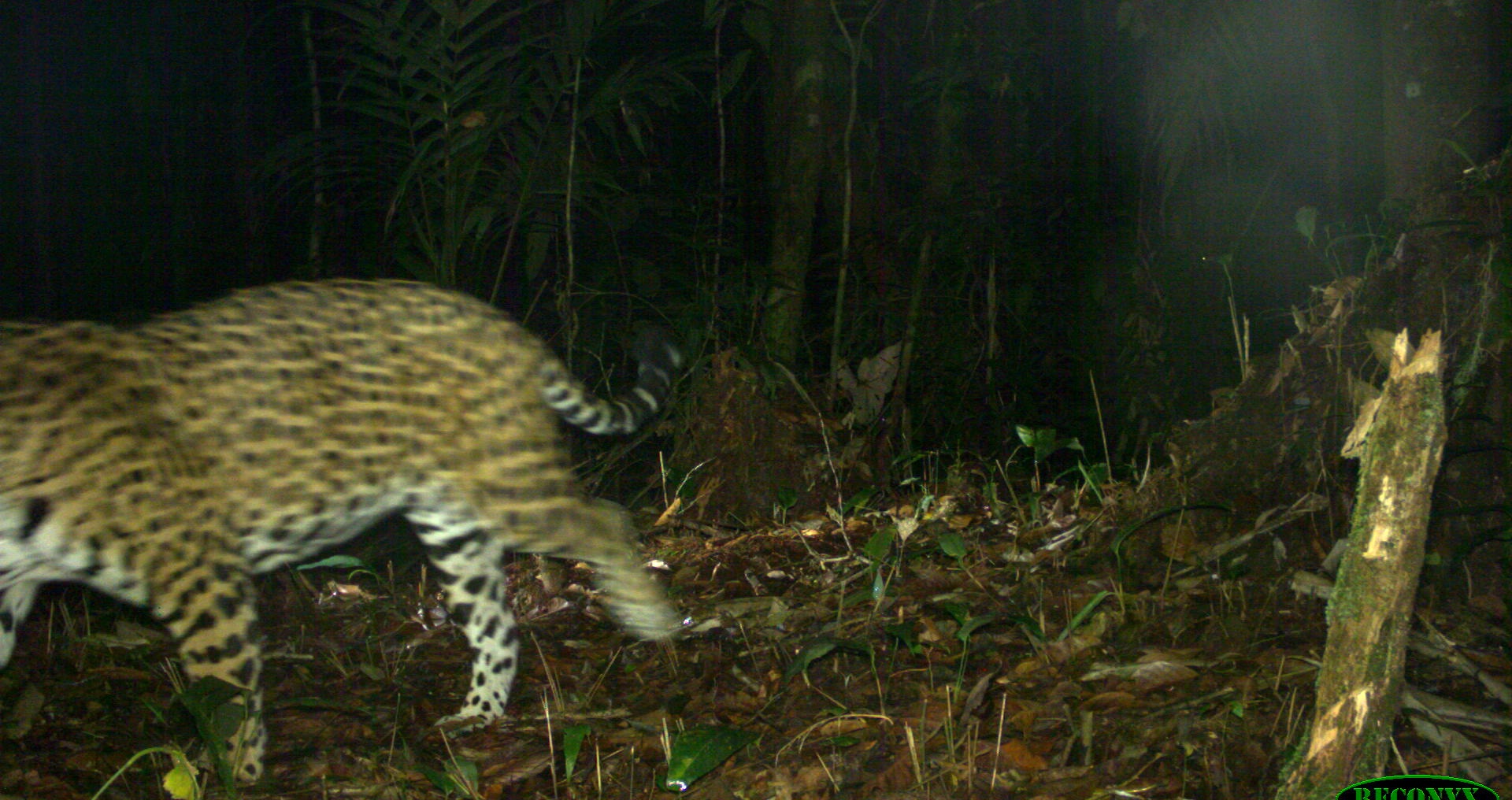
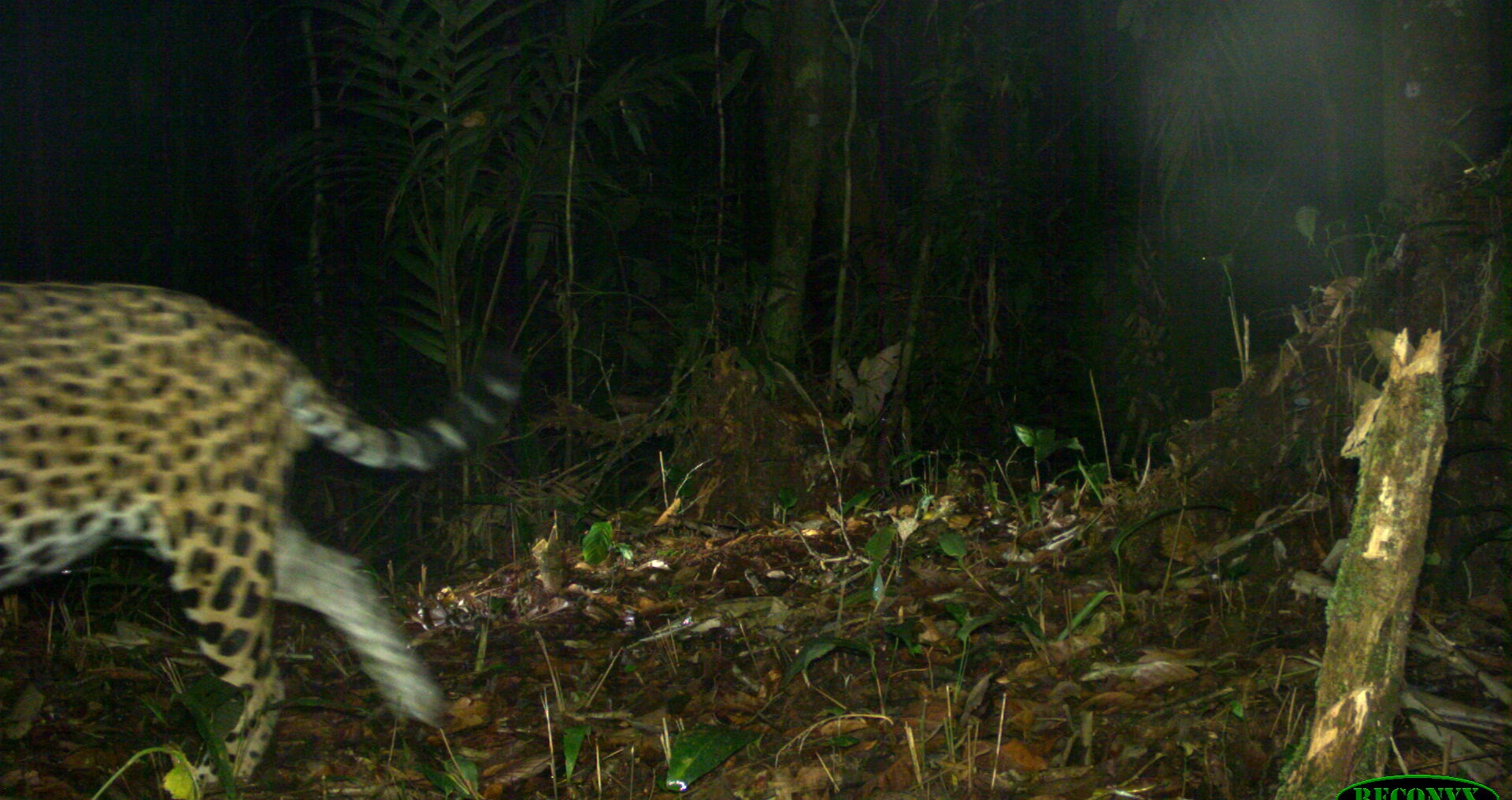
Reference species: Panthera onca. Predictions below are saved outputs for this full event, not claims about a single displayed frame. Country context changes the specialist decision policy. The Qwen row shows the retained primary result.
Open a VLM row to read its saved JSON response. Open rows independently; select a row again to close it.
Saved V1 predictions for Panthera onca
Model setting
Outcome
Taxonomic answer
Adjusted TIS
BioCLIP 2.5 - No country context
✕ Wrong
Species: Leopardus pardalis
Not available
SpeciesNet v4.0.3b - No country context
✓ Correct
Species: Panthera onca
+5.0
BioCLIP 2.5 - Country context
✕ Wrong
Species: Leopardus pardalis
Not available
SpeciesNet v4.0.3b - Country context
✓ Correct
Species: Panthera onca
+5.0
✕ Wrong
Species: Leopardus pardalis
-3.0
Gemini 3.5 Flash-Lite - Minimal Saved response
{
  "reasoning": "The images show a medium-sized felid in the Neotropics with characteristic rosette-pattemed fur and a distinctly ringed tail, matching an ocelot (Leopardus pardalis).",
  "species": "Leopardus pardalis",
  "genus": "Leopardus",
  "family": "Felidae",
  "order": "Carnivora",
  "class": "Mammalia",
  "confidence": "high"
}
✕ Wrong
Species: Leopardus pardalis
-3.0
Gemini 3.5 Flash-Lite - Low Saved response
{
  "reasoning": "The animal shows distinctive spotted coat patterns with rosettes and a ringed tail characteristic of a felid, specifically an ocelot (Leopardus pardalis), which is common in Ecuadorian forests.",
  "species": "Leopardus pardalis",
  "genus": "Leopardus",
  "family": "Felidae",
  "order": "Carnivora",
  "class": "Mammalia",
  "confidence": "high"
}
✕ Wrong
Species: Leopardus wiedii
-3.0
Gemini 3.5 Flash-Lite - Medium Saved response
{
  "reasoning": "The feline displays a very long, ringed tail and spotted coat pattern characteristic of the margay (Leopardus wiedii).",
  "species": "Leopardus wiedii",
  "genus": "Leopardus",
  "family": "Felidae",
  "order": "Carnivora",
  "class": "Mammalia",
  "confidence": "medium"
}
✕ Wrong
Species: Leopardus pardalis
-3.0
Gemini 3.5 Flash-Lite - High Saved response
{
  "reasoning": "The animal displays the characteristic rosette spot pattern, robust build, and ringed tail of an ocelot (Leopardus pardalis).",
  "species": "Leopardus pardalis",
  "genus": "Leopardus",
  "family": "Felidae",
  "order": "Carnivora",
  "class": "Mammalia",
  "confidence": "high"
}
✕ Wrong
Species: Leopardus pardalis
-3.0
Gemini 3.7 Flash - Medium Saved response
{
  "class": "Mammalia",
  "confidence": "high",
  "family": "Felidae",
  "genus": "Leopardus",
  "order": "Carnivora",
  "reasoning": "The visible body shows the characteristic coat pattern of an ocelot, with elongated rosettes forming chain-like bands, robust limbs, and a banded tail that is shorter than the hindleg, distinguishing it from the margay.",
  "species": "Leopardus pardalis"
}
✕ Wrong
Species: Leopardus pardalis
-3.0
Gemini 3.8 Flash - Medium Saved response
{
  "reasoning": "The robust build, horizontally aligned chain-like spots and rosettes on the flank, and relatively short ringed tail (shorter than the extended hind limb) are diagnostic of an ocelot.",
  "species": "Leopardus pardalis",
  "genus": "Leopardus",
  "family": "Felidae",
  "order": "Carnivora",
  "class": "Mammalia",
  "confidence": "high"
}
✕ Wrong
Species: Leopardus pardalis
-3.0
Gemini 3.8 Flash - Low Saved response
{
  "reasoning": "The robust build, parallel chain-like rosettes on the flanks, banded pattern on the legs, and moderately short tail are diagnostic of the ocelot (Leopardus pardalis).",
  "species": "Leopardus pardalis",
  "genus": "Leopardus",
  "family": "Felidae",
  "order": "Carnivora",
  "class": "Mammalia",
  "confidence": "high"
}
✕ Wrong
Species: Leopardus pardalis
-3.0
Gemini 3.8 Flash - High Saved response
{
  "reasoning": "The visible felid displays classic longitudinal chains of dark spots/rosettes along the flank and a ringed tail that is clearly shorter than the hind leg, which diagnostically distinguishes the ocelot from the longer-tailed margay.",
  "species": "Leopardus pardalis",
  "genus": "Leopardus",
  "family": "Felidae",
  "order": "Carnivora",
  "class": "Mammalia",
  "confidence": "high"
}
✕ Wrong
Species: Leopardus guttulus
-3.0
Qwen3-VL-30B Saved response
{
  "species": "Leopardus guttulus",
  "genus": "Leopardus",
  "family": "Felidae",
  "order": "Carnivora",
  "class": "Mammalia",
  "reasoning": "The animal displays a spotted coat pattern and body shape consistent with a small spotted cat. The location in Ecuador and the specific rosette-like spots, along with the tail markings, are diagnostic of Leopardus guttulus, the Southern Spotted Cat, which is known to occur in this region.",
  "confidence": "medium"
}
Common kestrel · Falco tinnunculus · saved V1 event
Easy difficulty · Day · Luxembourg
In this event, BioCLIP identified the common kestrel, SpeciesNet withheld a species answer, and the Gemini 3.8 Flash Medium-reasoning setting identified it.
Reference species: Falco tinnunculus. Predictions below are saved outputs for this full event, not claims about a single displayed frame. Country context changes the specialist decision policy. The Qwen row shows the retained primary result.
Open a VLM row to read its saved JSON response. Open rows independently; select a row again to close it.
Saved V1 predictions for Falco tinnunculus
Model setting
Outcome
Taxonomic answer
Adjusted TIS
BioCLIP 2.5 - No country context
✓ Correct
Species: Falco tinnunculus
Not available
SpeciesNet v4.0.3b - No country context
Withheld
Class: Aves
+0.5
BioCLIP 2.5 - Country context
✓ Correct
Species: Falco tinnunculus
Not available
SpeciesNet v4.0.3b - Country context
Withheld
Class: Aves
+0.5
✓ Correct
Species: Falco tinnunculus
+5.0
Gemini 3.5 Flash-Lite - Minimal Saved response
{
  "reasoning": "The bird shows the distinctive rufous spotted back, grey head, and broad black subterminal tail band of a kestrel, genus Falco, specifically consistent with the Eurasian Kestrel Falco tinnunculus found in Luxembourg.",
  "species": "Falco tinnunculus",
  "genus": "Falco",
  "family": "Falconidae",
  "order": "Falconiformes",
  "class": "Aves",
  "confidence": "high"
}
✓ Correct
Species: Falco tinnunculus
+5.0
Gemini 3.5 Flash-Lite - Low Saved response
{
  "reasoning": "The bird shows the distinctive rufous upperparts with dark spots and a grey head and tail with a black subterminal band, characteristic of a male Common Kestrel (Falco tinnunculus).",
  "species": "Falco tinnunculus",
  "genus": "Falco",
  "family": "Falconidae",
  "order": "Falconiformes",
  "class": "Aves",
  "confidence": "high"
}
✓ Correct
Species: Falco tinnunculus
+5.0
Gemini 3.5 Flash-Lite - Medium Saved response
{
  "reasoning": "The bird shows a rufous spotted back, grey head, and grey tail with a distinct dark subterminal band, characteristic of a male Common Kestrel (Falco tinnunculus).",
  "species": "Falco tinnunculus",
  "genus": "Falco",
  "family": "Falconidae",
  "order": "Falconiformes",
  "class": "Aves",
  "confidence": "high"
}
✓ Correct
Species: Falco tinnunculus
+5.0
Gemini 3.5 Flash-Lite - High Saved response
{
  "reasoning": "The bird shows distinctive features of a male Common Kestrel, including a rufous spotted back, grey head, and a grey tail with a broad black subterminal band.",
  "species": "Falco tinnunculus",
  "genus": "Falco",
  "family": "Falconidae",
  "order": "Falconiformes",
  "class": "Aves",
  "confidence": "high"
}
✓ Correct
Species: Falco tinnunculus
+5.0
Gemini 3.7 Flash - Medium Saved response
{
  "class": "Aves",
  "confidence": "high",
  "family": "Falconidae",
  "genus": "Falco",
  "order": "Falconiformes",
  "reasoning": "The bird shows the distinctive rufous-brown back with dark spotting, grey head, and grey tail with a prominent black subterminal band and white terminal tip characteristic of an adult male Common Kestrel.",
  "species": "Falco tinnunculus"
}
✓ Correct
Species: Falco tinnunculus
+5.0
Gemini 3.8 Flash - Medium Saved response
{
  "reasoning": "The bird exhibits the diagnostic plumage of an adult male Common Kestrel, including a grey head, a spotted rufous-chestnut mantle, yellow feet, and a grey tail with a broad black subterminal band and white tip.",
  "species": "Falco tinnunculus",
  "genus": "Falco",
  "family": "Falconidae",
  "order": "Falconiformes",
  "class": "Aves",
  "confidence": "high"
}
✓ Correct
Species: Falco tinnunculus
+5.0
Gemini 3.8 Flash - Low Saved response
{
  "reasoning": "The bird exhibits the diagnostic plumage of an adult male Common Kestrel, including a grey head, a rufous back spotted with black, and a grey tail ending in a broad black subterminal band and white tip.",
  "species": "Falco tinnunculus",
  "genus": "Falco",
  "family": "Falconidae",
  "order": "Falconiformes",
  "class": "Aves",
  "confidence": "high"
}
✓ Correct
Species: Falco tinnunculus
+5.0
Gemini 3.8 Flash - High Saved response
{
  "reasoning": "The bird exhibits the diagnostic male plumage of a grey head, rufous-chestnut back with black spots, and a grey tail ending in a broad black subterminal band and pale tip.",
  "species": "Falco tinnunculus",
  "genus": "Falco",
  "family": "Falconidae",
  "order": "Falconiformes",
  "class": "Aves",
  "confidence": "high"
}
✓ Correct
Species: Falco tinnunculus
+5.0
Qwen3-VL-30B Saved response
{
  "species": "Falco tinnunculus",
  "genus": "Falco",
  "family": "Falconidae",
  "order": "Falconiformes",
  "class": "Aves",
  "reasoning": "The bird displays a characteristic rufous-brown back with black spots, a grey head, and a tail with a broad black band and white tips, all visible across the frames. Its size, shape, and terrestrial foraging behavior are consistent with a common kestrel.",
  "confidence": "high"
}
Common redstart · Phoenicurus phoenicurus · saved V1 event
Easy difficulty · Day · Luxembourg
In this event, BioCLIP identified the common redstart, SpeciesNet withheld a species answer, and the Gemini 3.8 Flash Medium-reasoning setting answered European robin (Erithacus rubecula).
Reference species: Phoenicurus phoenicurus. Predictions below are saved outputs for this full event, not claims about a single displayed frame. Country context changes the specialist decision policy. The Qwen row shows the retained primary result.
Open a VLM row to read its saved JSON response. Open rows independently; select a row again to close it.
Saved V1 predictions for Phoenicurus phoenicurus
Model setting
Outcome
Taxonomic answer
Adjusted TIS
BioCLIP 2.5 - No country context
✓ Correct
Species: Phoenicurus phoenicurus
Not available
SpeciesNet v4.0.3b - No country context
Withheld
Class: Aves
+0.5
BioCLIP 2.5 - Country context
✓ Correct
Species: Phoenicurus phoenicurus
Not available
SpeciesNet v4.0.3b - Country context
Withheld
Class: Aves
+0.5
✕ Wrong
Species: Erithacus rubecula
-3.0
Gemini 3.5 Flash-Lite - Minimal Saved response
{
  "reasoning": "The bird shows a brownish-grey upper body with a distinct warm orange-buff breast and belly, characteristic of a European Robin. Its compact shape, size, and habitat in Luxembourg are consistent with Erithacus rubecula.",
  "species": "Erithacus rubecula",
  "genus": "Erithacus",
  "family": "Muscicapidae",
  "order": "Passeriformes",
  "class": "Aves",
  "confidence": "high"
}
✕ Wrong
Species: Erithacus rubecula
-3.0
Gemini 3.5 Flash-Lite - Low Saved response
{
  "reasoning": "The bird shows a brownish-grey upperpart and a distinct warm reddish-orange breast and throat area, characteristic of a European Robin (Erithacus rubecula).",
  "species": "Erithacus rubecula",
  "genus": "Erithacus",
  "family": "Muscicapidae",
  "order": "Passeriformes",
  "class": "Aves",
  "confidence": "high"
}
✕ Wrong
Species: Erithacus rubecula
-3.0
Gemini 3.5 Flash-Lite - Medium Saved response
{
  "reasoning": "The bird shows a distinctive rufous-orange breast contrasting with olive-brown upperparts and a whitish belly, characteristic of a European robin (Erithacus rubecula).",
  "species": "Erithacus rubecula",
  "genus": "Erithacus",
  "family": "Muscicapidae",
  "order": "Passeriformes",
  "class": "Aves",
  "confidence": "high"
}
✓ Correct
Species: Phoenicurus phoenicurus
+5.0
Gemini 3.5 Flash-Lite - High Saved response
{
  "reasoning": "The bird exhibits grey-brown upperparts, a whitish throat, warm buff-orange underparts, and a rufous-toned tail, which are diagnostic features of a female Common Redstart.",
  "species": "Phoenicurus phoenicurus",
  "genus": "Phoenicurus",
  "family": "Muscicapidae",
  "order": "Passeriformes",
  "class": "Aves",
  "confidence": "medium"
}
✕ Wrong
Species: Erithacus rubecula
-3.0
Gemini 3.7 Flash - Medium Saved response
{
  "class": "Aves",
  "confidence": "high",
  "family": "Muscicapidae",
  "genus": "Erithacus",
  "order": "Passeriformes",
  "reasoning": "The small passerine shows an olive-brown back, plump rounded body, large dark eye, and characteristic orange-red coloration on the face and breast, diagnostic of the European robin.",
  "species": "Erithacus rubecula"
}
✕ Wrong
Species: Erithacus rubecula
-3.0
Gemini 3.8 Flash - Medium Saved response
{
  "reasoning": "The bird exhibits the characteristic plump shape, olive-brown upperparts, and distinct orange-buff wash on the breast and face of a European robin foraging on the ground.",
  "species": "Erithacus rubecula",
  "genus": "Erithacus",
  "family": "Muscicapidae",
  "order": "Passeriformes",
  "class": "Aves",
  "confidence": "high"
}
✕ Wrong
Species: Erithacus rubecula
-3.0
Gemini 3.8 Flash - Low Saved response
{
  "reasoning": "The bird exhibits the characteristic plump body, brownish-olive upperparts, and distinct orange-buff face and breast visible in profile, typical of a European Robin.",
  "species": "Erithacus rubecula",
  "genus": "Erithacus",
  "family": "Muscicapidae",
  "order": "Passeriformes",
  "class": "Aves",
  "confidence": "high"
}
✕ Wrong
Species: Erithacus rubecula
-3.0
Gemini 3.8 Flash - High Saved response
{
  "reasoning": "The bird exhibits the diagnostic plumage of a European Robin, with an olive-brown back, distinctive orange-red face and breast, whitish lower belly, and a plump, compact body structure typical of the species while foraging on the ground.",
  "species": "Erithacus rubecula",
  "genus": "Erithacus",
  "family": "Muscicapidae",
  "order": "Passeriformes",
  "class": "Aves",
  "confidence": "high"
}
✕ Wrong
Species: Catharus guttatus
-4.0
Qwen3-VL-30B Saved response
{
  "species": "Catharus guttatus",
  "genus": "Catharus",
  "family": "Turdidae",
  "order": "Passeriformes",
  "class": "Aves",
  "reasoning": "The bird exhibits a distinct brown upper body and a warm, rufous-orange breast, which are diagnostic features of the Hermit Thrush. Its ground-foraging behavior in a woodland edge habitat is also consistent with this species.",
  "confidence": "high"
}
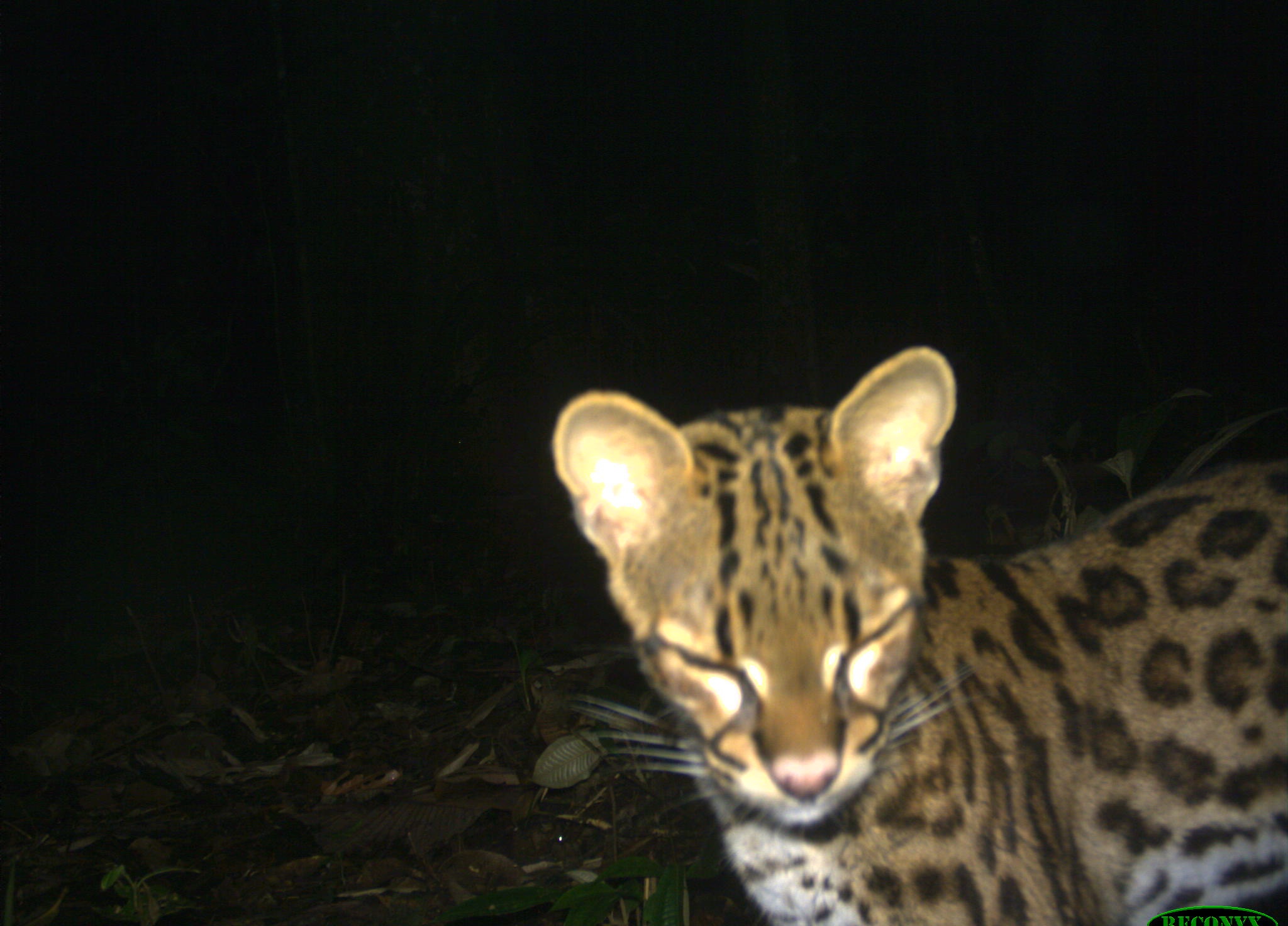
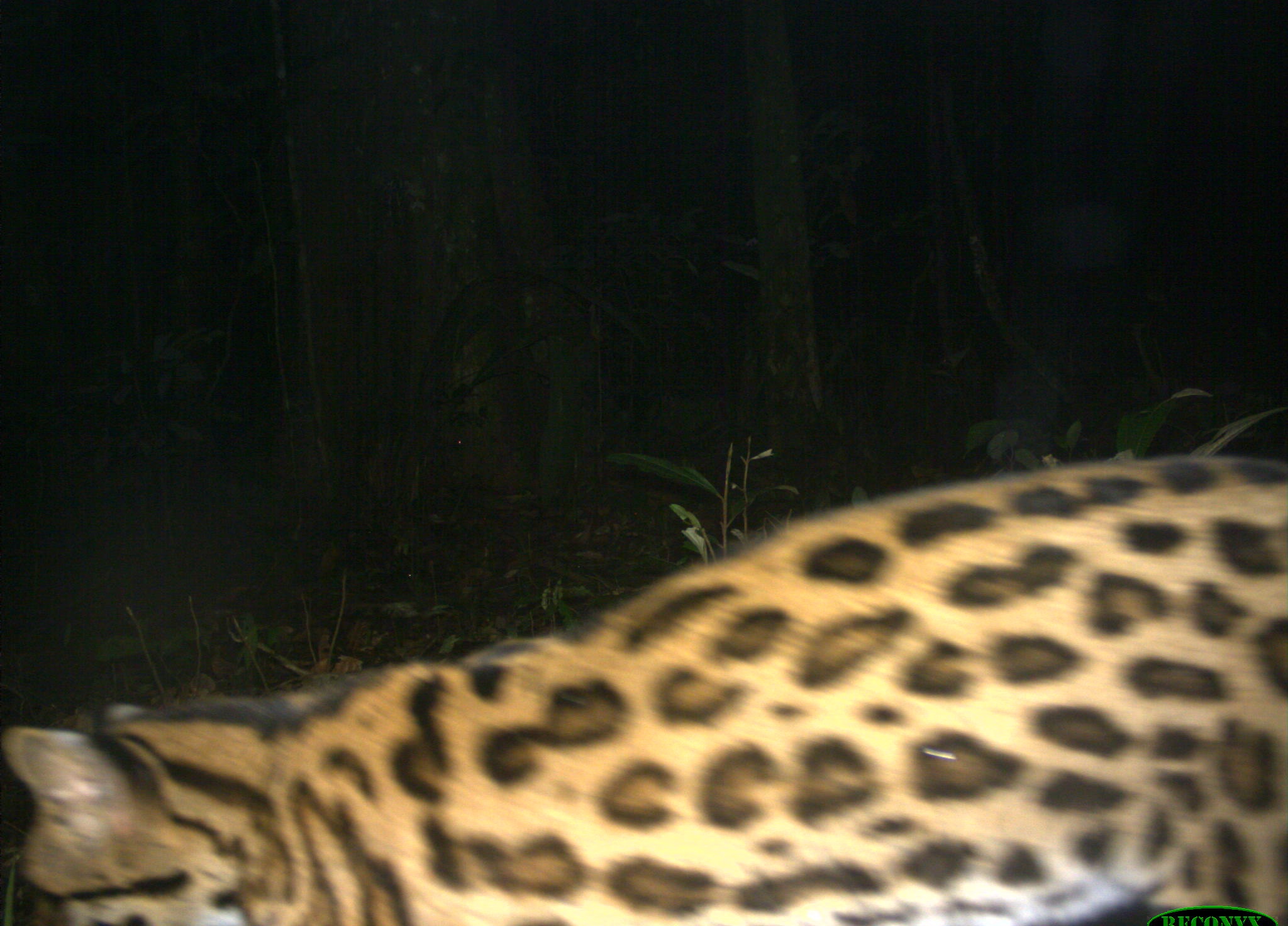
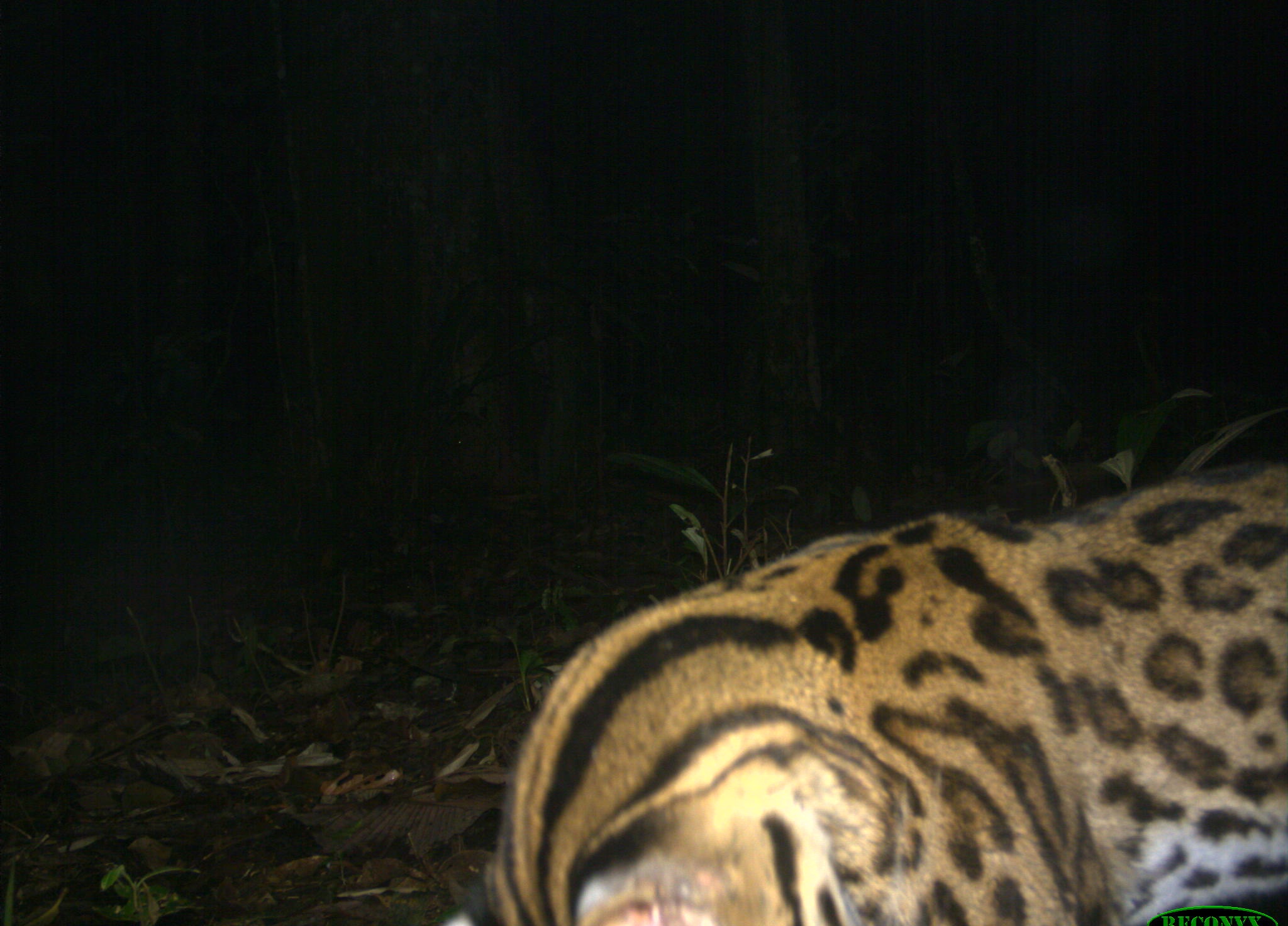
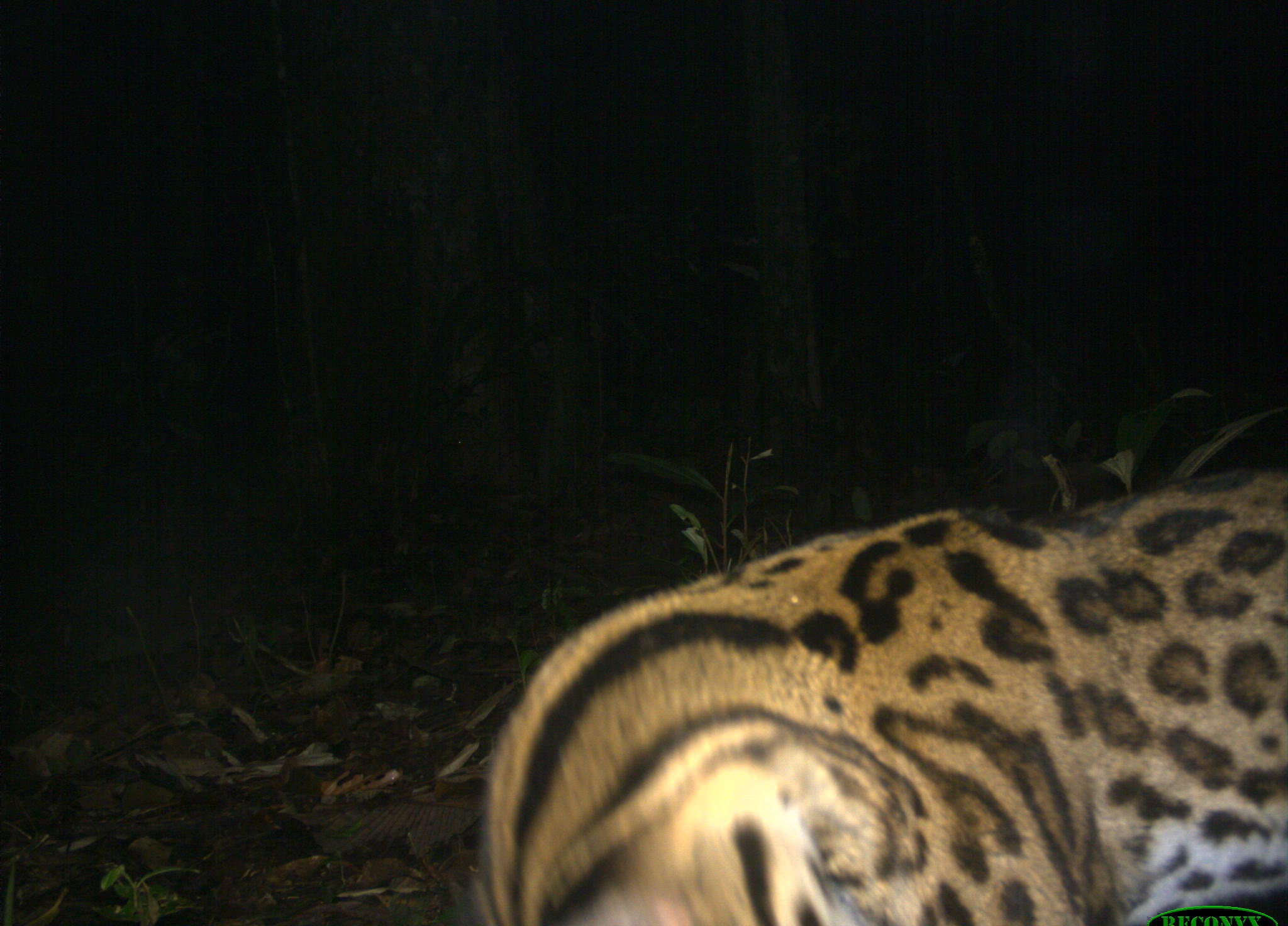
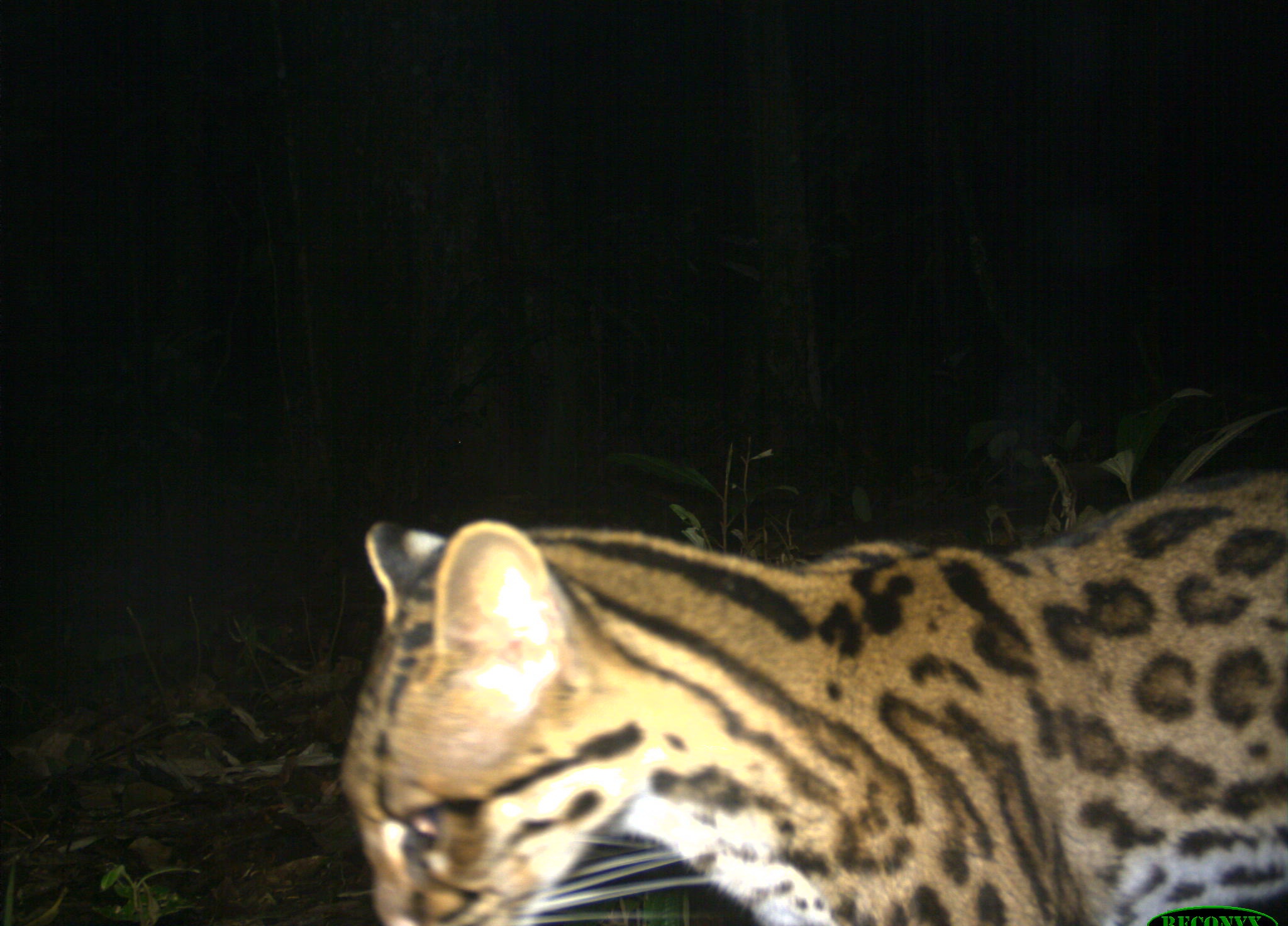
In this event, Flash-Lite Minimal identified the margay; BioCLIP answered ocelot (Leopardus pardalis) and SpeciesNet answered leopard cat (Prionailurus bengalensis).
Reference species: Leopardus wiedii. Predictions below are saved outputs for this full event, not claims about a single displayed frame. Country context changes the specialist decision policy. The Qwen row shows the retained primary result.
Open a VLM row to read its saved JSON response. Open rows independently; select a row again to close it.
Saved V1 predictions for Leopardus wiedii
Model setting
Outcome
Taxonomic answer
Adjusted TIS
BioCLIP 2.5 - No country context
✕ Wrong
Species: Leopardus pardalis
Not available
SpeciesNet v4.0.3b - No country context
✕ Wrong
Species: Prionailurus bengalensis
-3.0
BioCLIP 2.5 - Country context
✕ Wrong
Species: Leopardus pardalis
Not available
SpeciesNet v4.0.3b - Country context
Withheld
Family: Felidae
+2.0
✓ Correct
Species: Leopardus wiedii
+5.0
Gemini 3.5 Flash-Lite - Minimal Saved response
{
  "reasoning": "The animal is a small spotted cat showing rosette and chain-like patterns along the flanks, diagnostic of Leopardus wiedii (margay) or Leopardus pardalis (ocelot). The relatively large eyes, rounded head, and proportions strongly support the margay (Leopardus wiedii), though distinguishing small ocelots from margays in camera traps can be challenging. Here, the large eyes and facial structure point to Leopardus wiedii with medium confidence.",
  "species": "Leopardus wiedii",
  "genus": "Leopardus",
  "family": "Felidae",
  "order": "Carnivora",
  "class": "Mammalia",
  "confidence": "medium"
}
✕ Wrong
Species: Leopardus pardalis
-2.0
Gemini 3.5 Flash-Lite - Low Saved response
{
  "reasoning": "The small spotted cat displays rosettes and stripes typical of Neotropical felids, specifically the distinctive facial markings, dark ear spots, and rosette pattern of an ocelot (Leopardus pardalis).",
  "species": "Leopardus pardalis",
  "genus": "Leopardus",
  "family": "Felidae",
  "order": "Carnivora",
  "class": "Mammalia",
  "confidence": "high"
}
✕ Wrong
Species: Leopardus pardalis
-2.0
Gemini 3.5 Flash-Lite - Medium Saved response
{
  "reasoning": "The spotted coat pattern with rosettes and parallel black stripes on the neck, combined with the robust build and facial markings, identifies this as an ocelot.",
  "species": "Leopardus pardalis",
  "genus": "Leopardus",
  "family": "Felidae",
  "order": "Carnivora",
  "class": "Mammalia",
  "confidence": "high"
}
✕ Wrong
Species: Leopardus pardalis
-2.0
Gemini 3.5 Flash-Lite - High Saved response
{
  "reasoning": "The animal exhibits characteristic longitudinal dark stripes on the shoulders and neck, along with rosettes on the flanks, identifying it as an ocelot (Leopardus pardalis).",
  "species": "Leopardus pardalis",
  "genus": "Leopardus",
  "family": "Felidae",
  "order": "Carnivora",
  "class": "Mammalia",
  "confidence": "high"
}
✕ Wrong
Species: Leopardus pardalis
-2.0
Gemini 3.7 Flash - Medium Saved response
{
  "class": "Mammalia",
  "confidence": "high",
  "family": "Felidae",
  "genus": "Leopardus",
  "order": "Carnivora",
  "reasoning": "The sequence shows a medium-sized spotted cat with characteristic thick parallel black stripes along the nape and elongated, chain-like rosettes on the flanks diagnostic of the ocelot.",
  "species": "Leopardus pardalis"
}
Withheld
Genus: Leopardus
+3.0
Gemini 3.8 Flash - Medium Saved response
{
  "reasoning": "The sequence shows a small spotted felid with distinct open rosettes and facial striping diagnostic of the genus Leopardus. Without clear views of the tail length or definitive proportional scaling to distinguish between an ocelot and a margay, identification is conservatively kept at the genus level.",
  "species": null,
  "genus": "Leopardus",
  "family": "Felidae",
  "order": "Carnivora",
  "class": "Mammalia",
  "confidence": "high"
}
✕ Wrong
Species: Leopardus pardalis
-2.0
Gemini 3.8 Flash - Low Saved response
{
  "reasoning": "The spotted coat with chain-like elongated rosettes, parallel black stripes along the neck, and relatively elongated muzzle are characteristic of an ocelot.",
  "species": "Leopardus pardalis",
  "genus": "Leopardus",
  "family": "Felidae",
  "order": "Carnivora",
  "class": "Mammalia",
  "confidence": "medium"
}
✕ Wrong
Species: Leopardus pardalis
-2.0
Gemini 3.8 Flash - High Saved response
{
  "reasoning": "The distinct horizontal chain-like rosettes along the flanks, strong parallel black nape stripes, and relatively elongate muzzle profile are diagnostic features of an ocelot.",
  "species": "Leopardus pardalis",
  "genus": "Leopardus",
  "family": "Felidae",
  "order": "Carnivora",
  "class": "Mammalia",
  "confidence": "high"
}
✕ Wrong
Species: Leopardus guttulus
-2.0
Qwen3-VL-30B Saved response
{
  "species": "Leopardus guttulus",
  "genus": "Leopardus",
  "family": "Felidae",
  "order": "Carnivora",
  "class": "Mammalia",
  "reasoning": "The animal displays a distinctive spotted and striped coat pattern, large ears, and facial markings typical of the ocelot lineage. The specific arrangement of rosettes and stripes, particularly the prominent facial stripes and the pattern on the neck and back, aligns with the ocelot (Leopardus guttulus) found in eastern South America, including parts of Ecuador. The size and facial structure rule out smaller spotted cats like the margay.",
  "confidence": "medium"
}
 BioCLIP 2.5 - No country context
 SpeciesNet v4.0.3b - No country context